Change the way you look at your horse. Change the way you approach training.
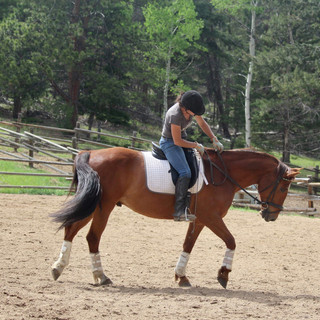
Physiology is a word that every horse owner should understand.
In horse training, physiology refers to the study of how a horse’s body systems function and adapt during exercise, which guides safe and effective training programs. -Mad Barn
Horses are so intriguing in so many ways. The emotional connections they create with people can be life changing.

WHY?...
I think that people , just like horses like to feel loved, acknowledged and needed. Every horse has different characteristics, just like people. Because of their strong defense mechanisms, horses are able to endure situations that take away the natural environments they have evolved from. We can offer them the most incredible care but it has to go beyond the barn. The defense mechanisms are more than just the fight or flight or the alpha leader that trainers have developed their methods around.
Approaching a horses specific training should be an in the moment observation. Is the horse relaxed?
Tense and nervous?
Distant? Acting as though you aren't there.
Are there problems or concerns?
There should always be a thorough physical & health exam from a veterinarian.

It's interesting what behavior can come from sharp teeth, arthritis or metabolic and vitamin deficiencies.
A horse won't always show signs of pain until it becomes evident in behavior, health or lameness. (Or all of the above)
Rider's and trainer's that are not educated in equine biomechanics will not recognize muscle and gait abnormalities that develop from compensations.
Poor saddle fitting is a huge component to poor performance. We can believe that we are placing a great fitting saddle on the horse, but are we? If we allow that horse to show us, not always in behavior but soon you will ( if you are educated to the physique) notice muscle atrophy, especially around the wither area. (Trapezius.)

Your horse is moving oddly, maybe a skipping feeling or stumbling. A change in the back muscles will make it difficult for the horse to do smooth transitions.
Horses are ptey animals have evolved with strong defense mechanisms...survival.
They have carried on the ability to "hide pain." If you learn what to look for, you can detect problems early on. This does not replace your veterinarian care, it becomes the important rehabilitation in the training strategies for improvement.
I will close this blog with a paragraph from the amazingly educated Gail Williams.
"In the absence of trauma, a series of small compensatory postural changes can take place over several days,weeks or even months. By the time the clinical lameness manifests, a number of small, sub-clinical anatomical pressures have been created. Treatment of the lameness while ignoring the compensatory changes that led to it, will simply lead to a relapsing or evolving condition. -Gail Williams, PhD, holds a first-class honours degree in animal sciences and a PhD in equine biomechanics from Bristol Veterinary School. She is a qualified veterinary physiotherapist with experience working with top veterinarians, horses, and riders in the UK and USA
I'm excited to announce the publishing of my first online course
"Understanding the equine mind"
This is the start of a series of studies that provide education in identifying the connection between pain and behavior. I will provide true case studies and a community space for discussions, questions and introductions. This course is not like any other, you will learn and also provide or be provided with videos to study and evaluate.


Comments